

Pokémon X and Pokémon Y, October 12, 2013 Pokemon.com.
by guest writer Phillip Miner
If you’re into Pokemon, or have even heard of it in passing, you’ve likely figured out that the little yellow rodent/mascot known as Pikachu is far from the only kind of Pokemon that exists. As of the time of this writing, the developers of the Pokemon games have come up with over 1000 different species of Pokemon, using everything from real world animals to everyday objects, as inspiration. We’re focusing, however, on one particular Pokemon species: the Greninja, the Ninja Pokemon that draws real life inspiration from frogs.
The inspiration to use a frog as a basis comes from a Japanese mythological story known as The Tale of the Gallant Jiraiya. In that story, the titular Jiraiya is a masterless samurai who rides around on a giant frog, helping the poor and needy in feudal Japan with his “frog magic.” This cultural connection may help explain why Greninja is especially popular in Japan. It’s a possible reason why in Japan, the Greninja is the second most popular Pokemon of all, falling right behind Pikachu, the franchise mascot.
In contrast, in North America, the most popular Pokemon behind Pikachu is Gengar, based on ghosts. In terms of Greninja’s unique look, that look draws inspiration from certain real world frogs. In particular, the horned tree frog, native to South America, is a key source of Greninja’s style. The fins (for lack of a better term) that adorn Greninja’s head were inspired by the ridges, or “horns,” of the horned tree frog.
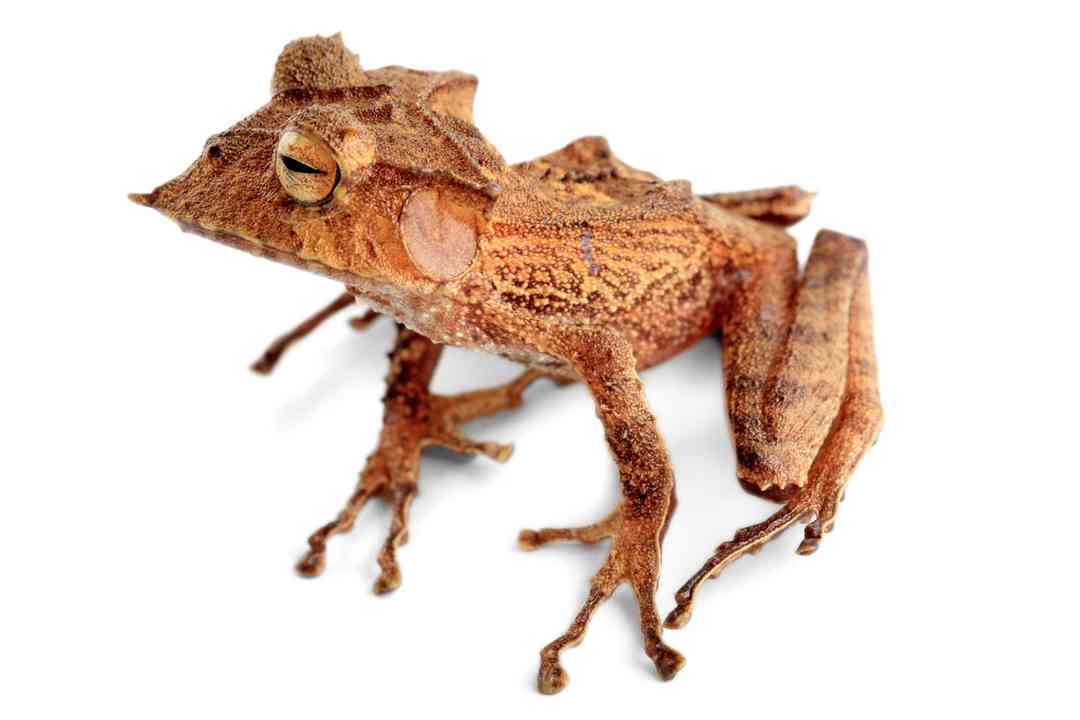
Horned frogs are often called “Pacman frogs” because of their round bodies and enormous mouths, which can take up nearly half their size. They are ambush predators, meaning they stay still and wait for prey to come close rather than actively hunting. Despite their size, they have powerful bites and will attempt to eat almost anything that moves, including insects, other frogs, and even small rodents.
Masters of Camouflage
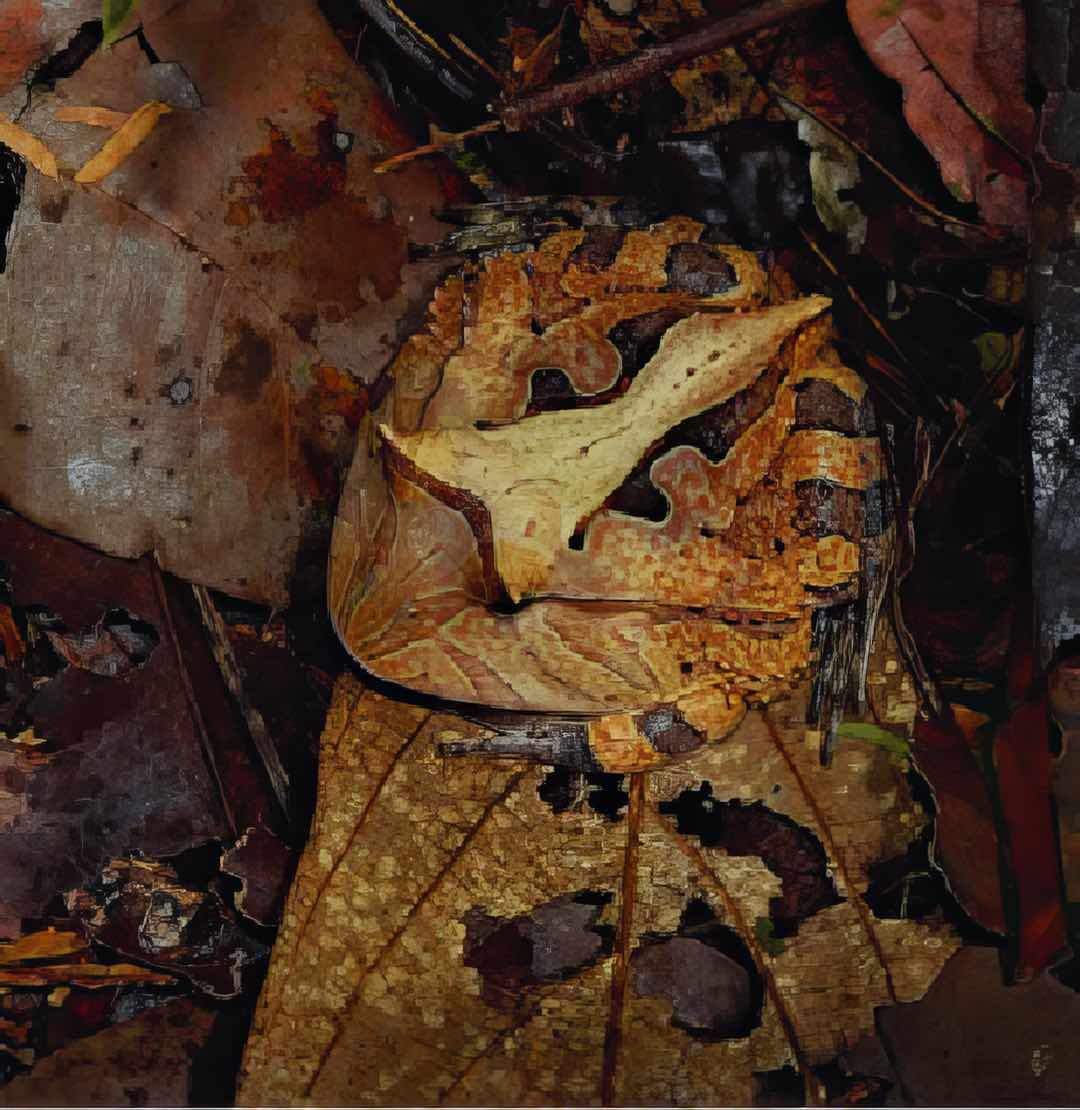
The horned tree frog, sometimes called the Amazon horned frog, is known for its camouflaged appearance and leaf-like “horns,” which help it blend into forest floors and ambush prey. Horned frogs spend much of their time partially buried in soil or leaf litter, with only their eyes and “horns” visible above the surface. Their camouflage is so effective that they can look almost identical to fallen leaves, helping them avoid predators and surprise prey.
During dry periods, some species can form a protective outer layer and go into a state of dormancy until conditions improve.
Ash’s bond with Greninja
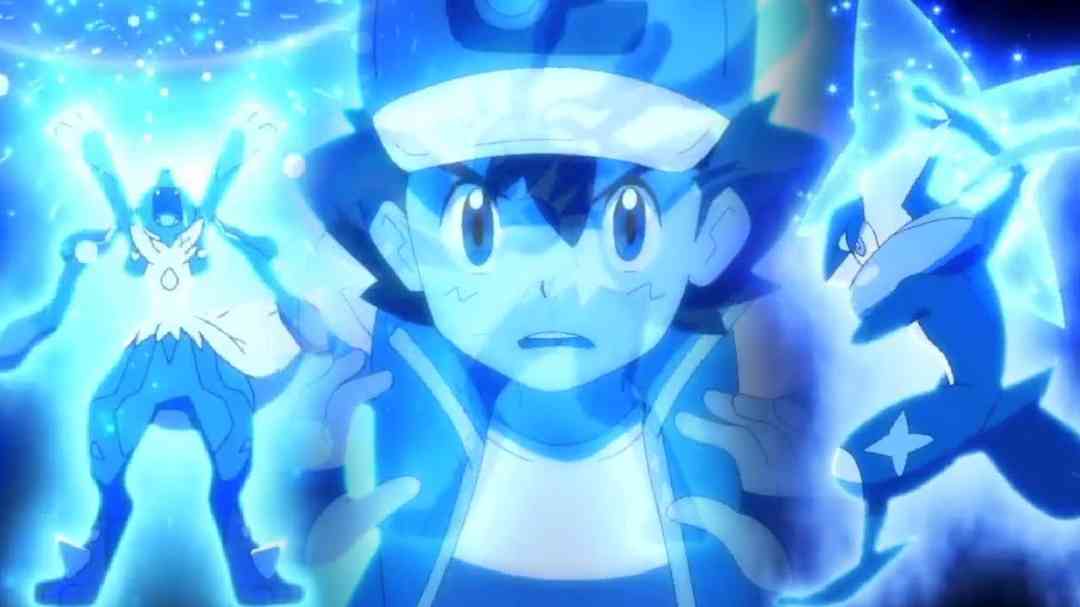
In the animated series, the bond between the series’ main protagonist, Ash Ketchum, and his Greninja is the stuff of anime legend. Viewers have discovered that Ash even feels the pain of his Greninja during some of their battles, which is unusual in the world of Pokemon. This idea of empathy across species feels very relevant beyond the game.
If only more humans could empathize with frogs in the same way Ash does with Greninja! In the real world, all frogs, including those that inspired the Greninja Pokemon fans know and love, are in trouble. However, the threats to real world frogs are quite different from those in the Pokemon franchise.
Compassion as A Concept

In short, the real life Greninjas need your help. Frog populations worldwide are declining at an alarming rate, with nearly one-third of species now at risk of extinction. Advocating for responsible land use, reducing pollution, and preserving habitats can directly impact their survival. Protecting frogs means protecting clean water, healthy wetlands, and balanced ecosystems, and ultimately ourselves. And there are ways you can help. These actions may not be as flashy and dramatic as what Ash in Pokemon does, but they do count. You can start by taking the recommended actions we have right here at this link: https://afroghouse.org/tangible-ways-to-help-the-frogs/
You can also collaborate with like-minded Greninja enthusiasts by joining and/or donating to organizations like ours, and larger organizations like SAVE THE FROGS!. Together, small actions—like building backyard habitats, reducing chemical use, and supporting conservation—can make a real difference. Take action now to ensure future Pokemon fans can enjoy these real-life amphibious ninjas.
Educate yourself and your friends and family. Understanding how frogs live, breathe, and reproduce helps us recognize why they are so vulnerable—and why they matter. Frogs are indicators of environmental health, meaning their decline signals broader ecological imbalance. Learning about species like the horned tree frog connects curiosity to conservation.
Calling All Gamers to Raise Environmental Consciousness
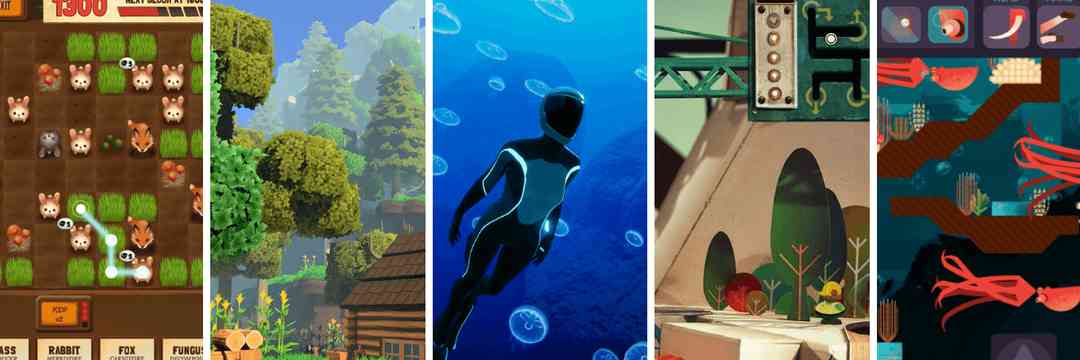
Air pollution threatens the breathing of frogs, as many frogs breathe through not only their lungs, but their skin as well, making them especially vulnerable to pollutants. Pollutants can be absorbed directly through this sensitive skin. Climate change, driven largely by human activities and greenhouse gas emissions, is altering the weather conditions required for successful frog breeding seasons. Reckless land expansion and development by humans directly threaten the habitats frogs call home. Wetland loss, in particular, has removed critical breeding grounds.
Calling all gamers! Can we put our heads together and invent new ways to make “a game” out of helping frogs and protecting the future for us all?
