

John Tenniel/British Library/Wikimedia Commons
The saying “mad as a March hare” dates back to the 16th century and refers to the wild, energetic behavior of European hares during their spring breeding season. In March, hares sprint across fields at high speed, leap into the air, and even appear to box with one another.
This behavior inspired both the old idiom and the famous character in Alice’s Adventures in Wonderland , although in that case, it was the Hatter who was mad. What looks like chaos is actually part of the natural rhythm of early spring, when animals are driven by the urgent need to reproduce and begin the cycle of life again.
Amphibians have their own version of this March frenzy. Perhaps the Wood Frog is craziest of them all, with hundreds of males in a “breeding frenzy” competing in a noisy, chaotic chorus, attempting to mate with other species and for that matter, any moving object, including sticks and tennis balls.
Scout troops and volunteers of all ages are preparing service projects, and watching for the first signs of frogs, salamanders, and other wildlife returning to seasonal wetlands.
It is also the season when A Frog House begins some of our busiest and most hopeful work. In our personal March Madness, we have exciting new initiatives and plans for the spring and are recognizing and planning local action in connection with global Amphibian Conservation Days. Please get involved!
New Initiatives and Plans
Art show and Kit Demonstration
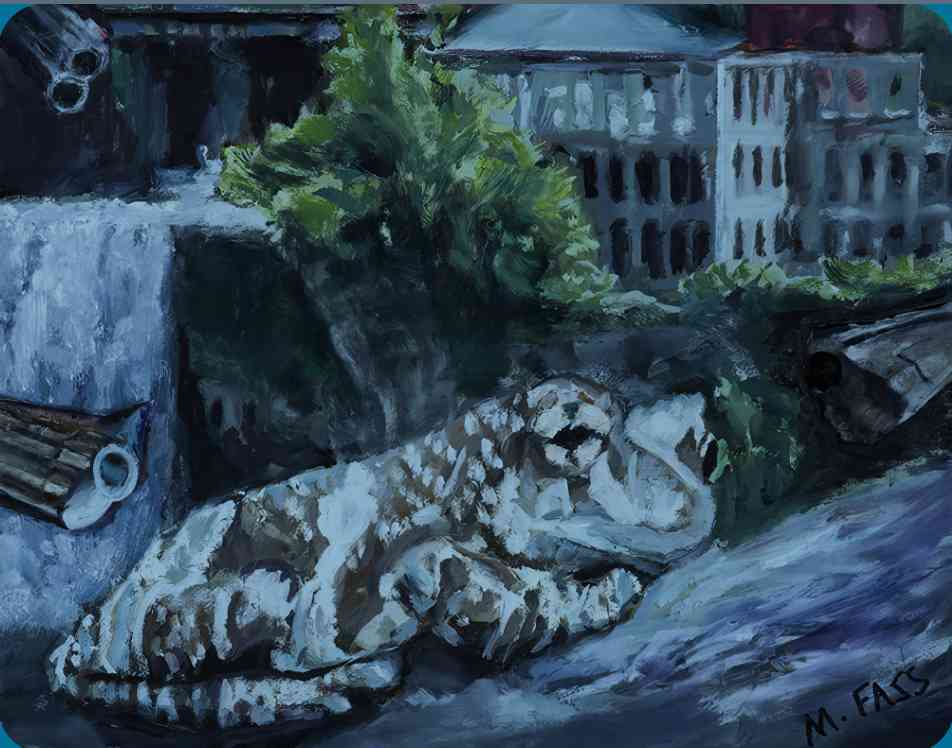
Endangered Frog, oil on canvas, by Margot Fass, photo credit, Michael Naven
Since 2018, I have not produced any new art, but because the theme of environmental justice is especially strong during March and April, it seemed right to make my Froggy images and book available to the public again, as well as launching our Homebuilt Vernal Pond Kits. Both paintings and our kits project were created out of strong feelings about guns, violence, destruction, greed, and the loss of our native land. Join us on First Friday on April 3 from 6 to 9 pm and Second Saturday on April 11 from 1 to 3 pm, at Impact Earth.
New Community Sponsor Program – Website Visibility

A Frog House is now offering a simple sponsorship opportunity for businesses and organizations that would like to support environmental education and habitat restoration in our region and show our readers what they have to offer.
The idea came through an unexpected donation from a person named Willie Palma, who wrote that they were interested in having a clickable logo with a link to the business website for Five Star Improvements, Inc.
Until now, we have only displayed non-linked logos, and the criteria for inclusion on our website have been somewhat inconsistent. As we update our public face, we have decided to offer a prominent place for sponsor logos on our pages, with a link to the sponsor’s own website.
For a contribution of $250, sponsors may have their logo displayed on the A Frog House website as a community supporter. Sponsors will be listed for one year from the date of the contribution on our sponsor page and other site pages, acknowledging their importance in making our programs possible.
Sponsors do not need to be environmental organizations. We welcome support from any business whose activities are consistent with our mission of stewardship, education, and community well-being.
Recognition is informational only and does not imply endorsement.
A New National Endorsement

Douglas Tallamy, world renowned co-founder of Homegrown National Park
We are so proud of our new endorsement and testimonial from Douglas Tallamy, who wrote, “I think your Frog House ]Homebuilt Vernal Ponds] idea is wonderful and would be happy to endorse it however I can … I would love to expose this to the whole country.”
Grants Programs

Cover page for our preparation guide, which will enable families to determine if they actually need our kit to build their own pond.
A Frog House is completing our tasks ahead of time for Village and Wilderness and Connected Learning Ecosystems grants. The former started in October for one year, and has enabled most of the heavy lifting to develop our preparation and instructional booklets as well as to purchase materials for the first eight Homebuilt Vernal Ponds. The Connected Learning Ecosystems grant is underwriting other educational materials for displays and a special presentation in August at Cummings Nature Center.
We also are actively seeking other conservation grants for our ongoing work.
Homebuilt Vernal Ponds – 2026 Pilot
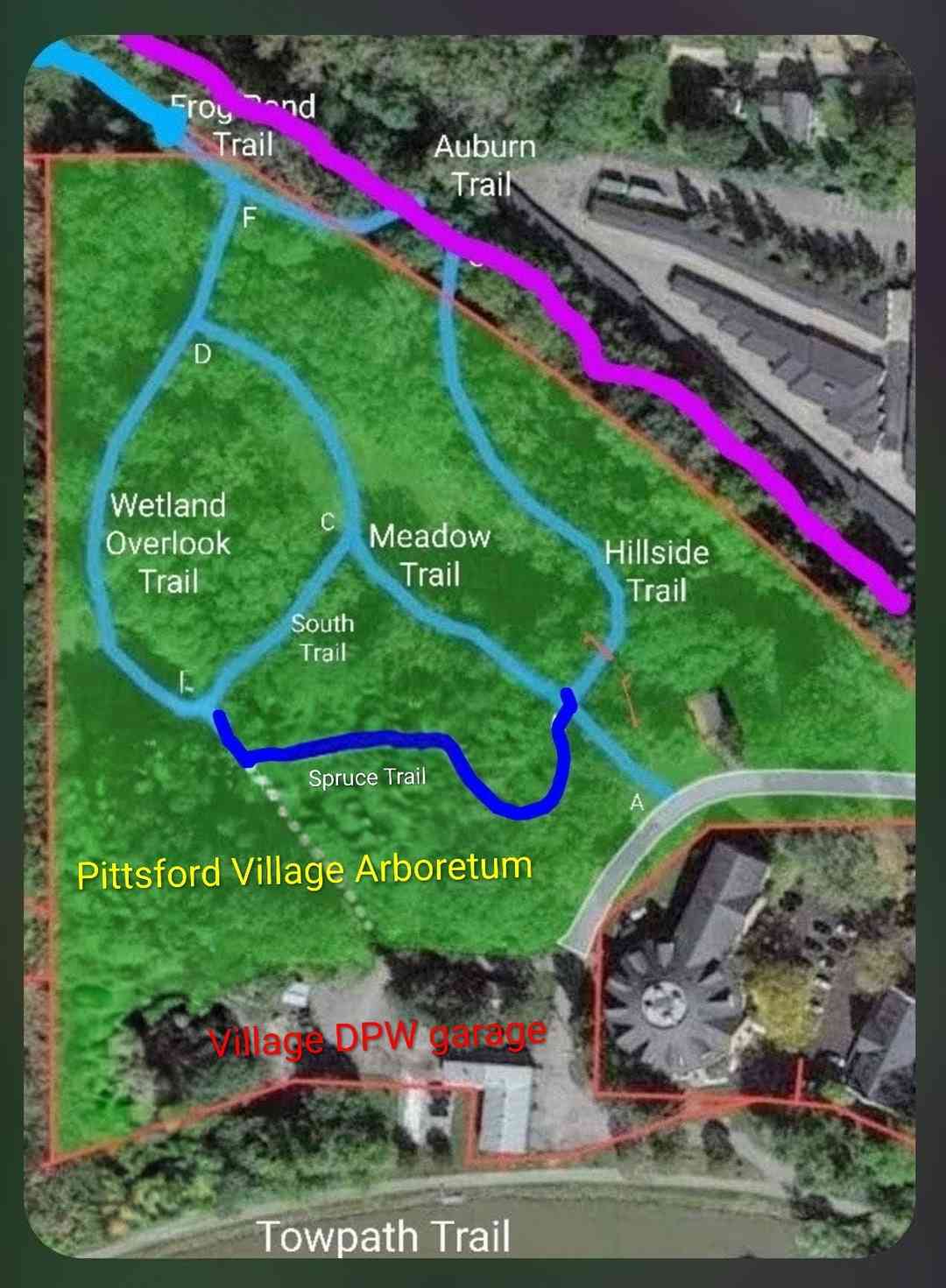
Two of our kits are being installed by Bryson Coccia, who is completing his Eagle Scout project. The first homebuilt vernal pond will be at A Frog House, and the second at the Arboretum.
Bryson will recruit members from Troop 167 to help build the two demonstration ponds. He will explain them and display the project at our Pittsford Save The Frogs Day on April 26, between 1 and 3 pm.
Our next task is to identify six families who will receive free kits with all the necessary components, help them build their ponds, and using NASA learning tools, follow the results for a full year while we develop the steps to produce the kits professionally and at a larger scale.
Vernal ponds are essential breeding habitat for frogs and salamanders because they hold water in spring but dry later in the year, preventing fish and bullfrogs from eating amphibian eggs.
Each pond becomes part of a growing network of neighborhood-scale wetlands that support biodiversity where people live. We are happy to have a number of people spontaneously ask to help.
Global Amphibian Conservation Days
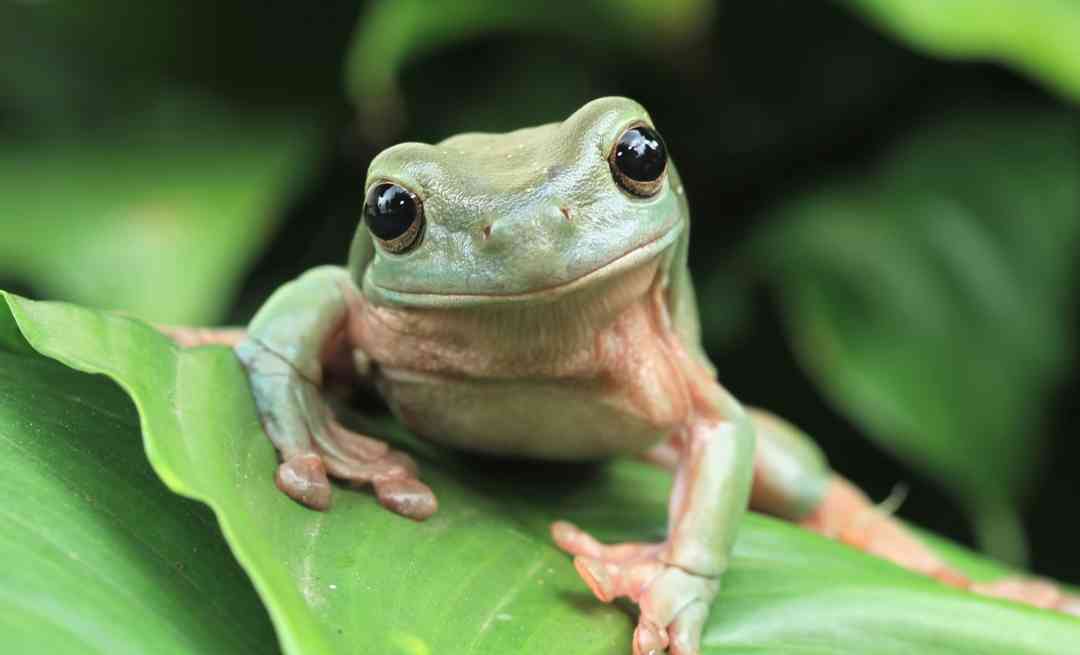
In Earth.com, World Frog Day 2026: The fight to save amphibians By Sanjana Gajbhiye, 2026.3.20
As this season unfolds, these conservation observances fall within just a few days or weeks of each other, and in one way or another, are connected to the international amphibian conservation movement led by SAVE THE FROGS!
We neglected to mention March 20 in our last newsletter, which marks World Frog Day, begun around 2012. This observance focuses on celebrating frog diversity and sharing knowledge and appreciation for the extraordinary role amphibians play in healthy ecosystems.
The day is often associated with the work of SAVE THE FROGS! founder Dr. Kerry Kriger, whose efforts have helped bring global attention to the rapid decline of frogs, salamanders, and other wetland species.
On March 28, SAVE THE FROGS! launched the first annual World Salamander Day to raise awareness about the protection of these amphibians and their habitats.
On April 25, Dr. Kriger, also is organizing a Million Frog March [Next year I recommend it be in March for a “March Million Frog March!] in Washington DC. Public awareness and visible action can help promote environmental justice by protecting amphibians and the wetlands they depend on.
On April 26, A Frog House will celebrate Save The Frogs Day in Pittsford, NY. Attendees are invited to express the spirit of frogs and the Million Frog March with their own amphibian costumes and gear.
April 28 is the official Save The Frogs Day, also created by Kriger, in 2009. This is a more focused and action-oriented event, with educational programs, habitat restoration projects, and community gatherings taking place around the world.
Since its founding, thousands of events in dozens of countries have helped people learn how to protect wetlands, reduce chemical use, and create safe places for amphibians to live and breed.
Significance of Amphibian Conservation Days
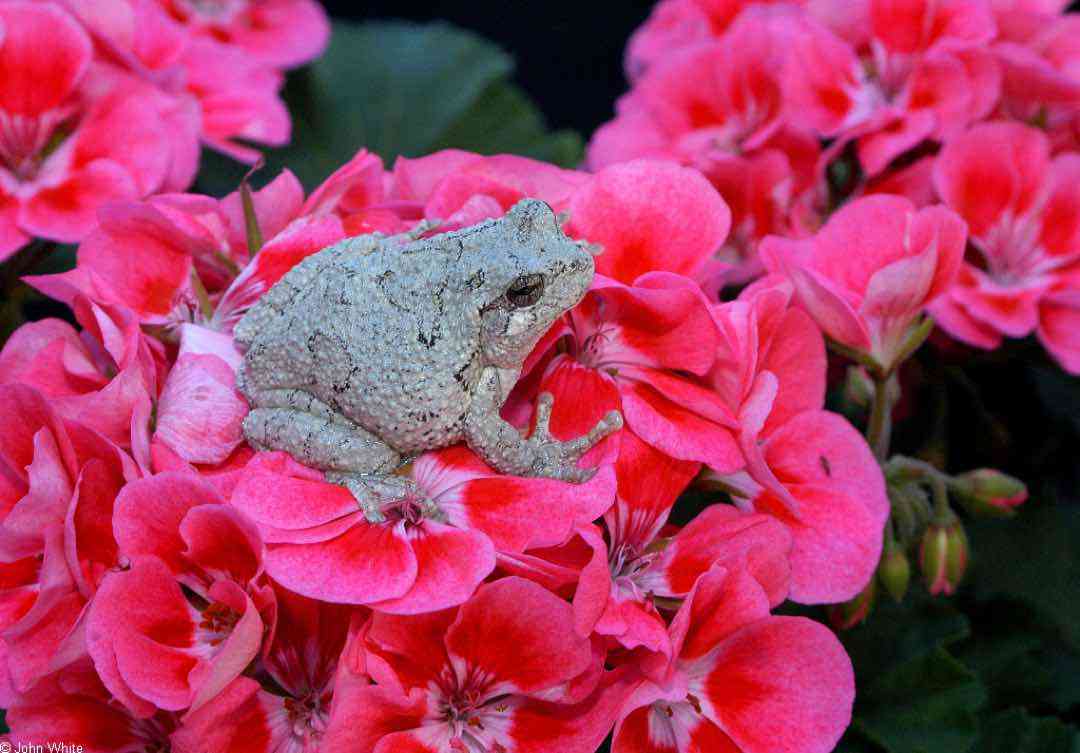
These dates remind us that the work we do locally, such as building ponds, planting native species, and teaching children to observe nature, is part of a worldwide effort to protect biodiversity and restore balance to the natural world.
These observances are more than dates on a calendar. Vernal ponds continue to fill, frogs begin calling, and volunteers, Scouts, families, and partners come together to restore habitat and learn from the living landscape.
Each pond built, each garden cleaned, and each child who hears frogs for the first time becomes part of the same worldwide effort to care for the small, fragile systems that support life for all of us.
Why This Work Matters
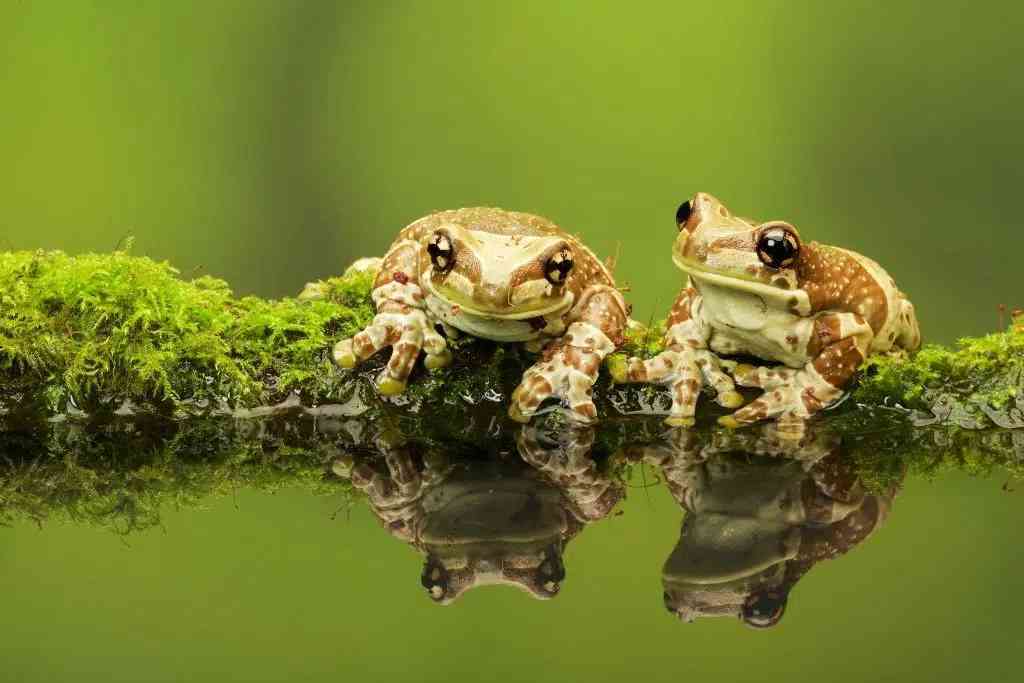
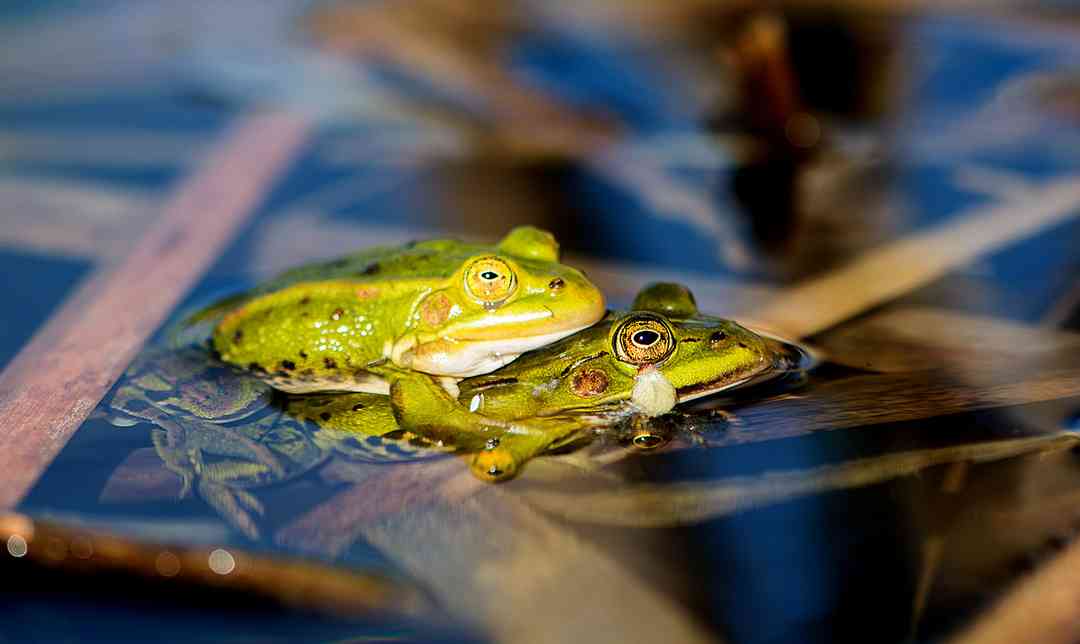
In Earth.org More than 30% of Amphibian Species at Risk of Imminent Extinction by Hanna Hamblen, 2022.2.10
Wetlands are disappearing from much of our world, not only due to climate change, but to draining them for residential or agricultural development. This drastically reduces the range of habitat available to amphibians, now the most threatened group of vertebrates on Earth, as well as worsening pollution and climate change.
Even small actions taught and implemented at A Frog House make a real difference. Our goal is to create a network of small habitats and learning spaces that grow year by year through community participation.
This work takes time, patience, and many helping hands.
We are grateful to everyone who supports A Frog House with their time, effort, and/or donations.
Please Get Involved
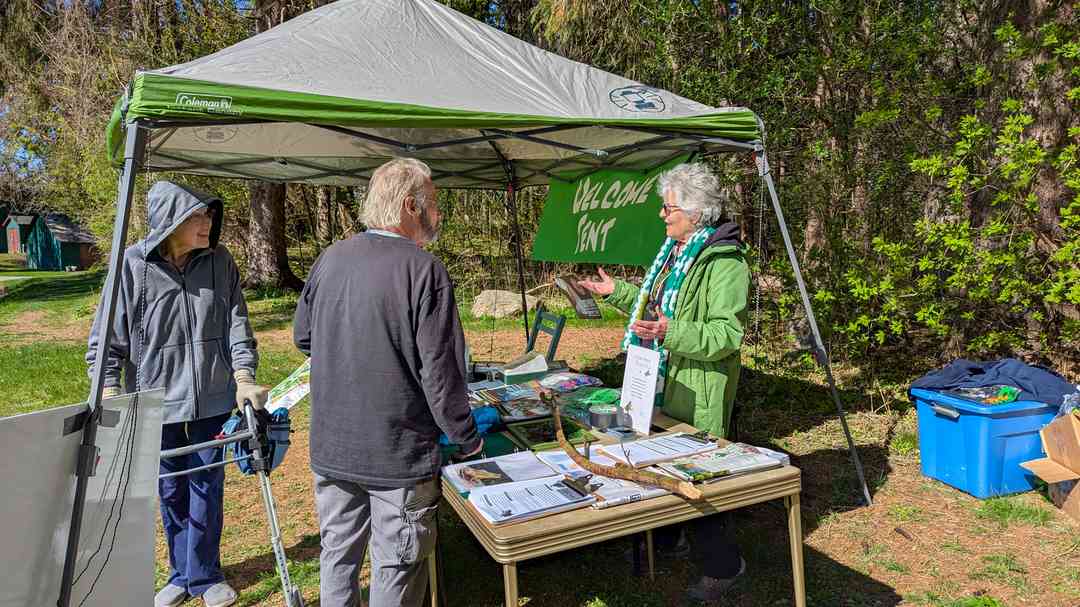
You can help in these ways:
If you know of sources of conservation grants, please let us know of any opportunities for A Frog House.
If you own a business, become a sponsor or help us find other owners.
Install your own Homebuilt Vernal Pond.
Donate. Volunteer. Attend. Share our work with others.
Community Events and Collaborations
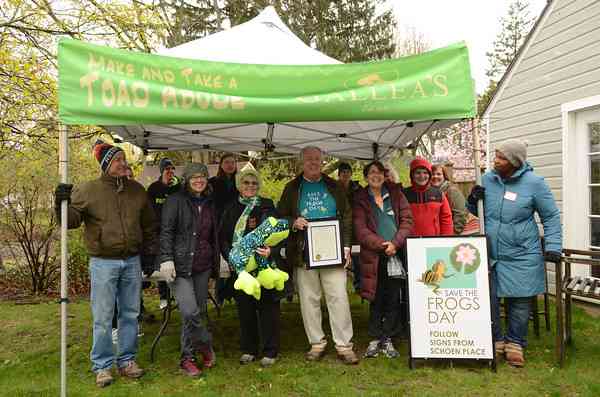
We continue to work with local and national partners to expand ecological education and habitat restoration, connecting conservation, education, culture, and community. Together, small actions can restore living systems.
A Frog House upcoming dates summarized:
- April 3, 6 to 9 pm – Art Opening at Impact Earth.
- April 11, 1 to 3 pm – Book signing at Impact Earth
- April 26, 1 to 2:30 pm – Save The Frogs Day at A Frog House
- April 26, 3 to 5 pm – Save The Frogs Day at the Village Arboretum.
