

Vernal Pond Two, Photo Credit, Payton Carroll
February 2, World Wetlands Day
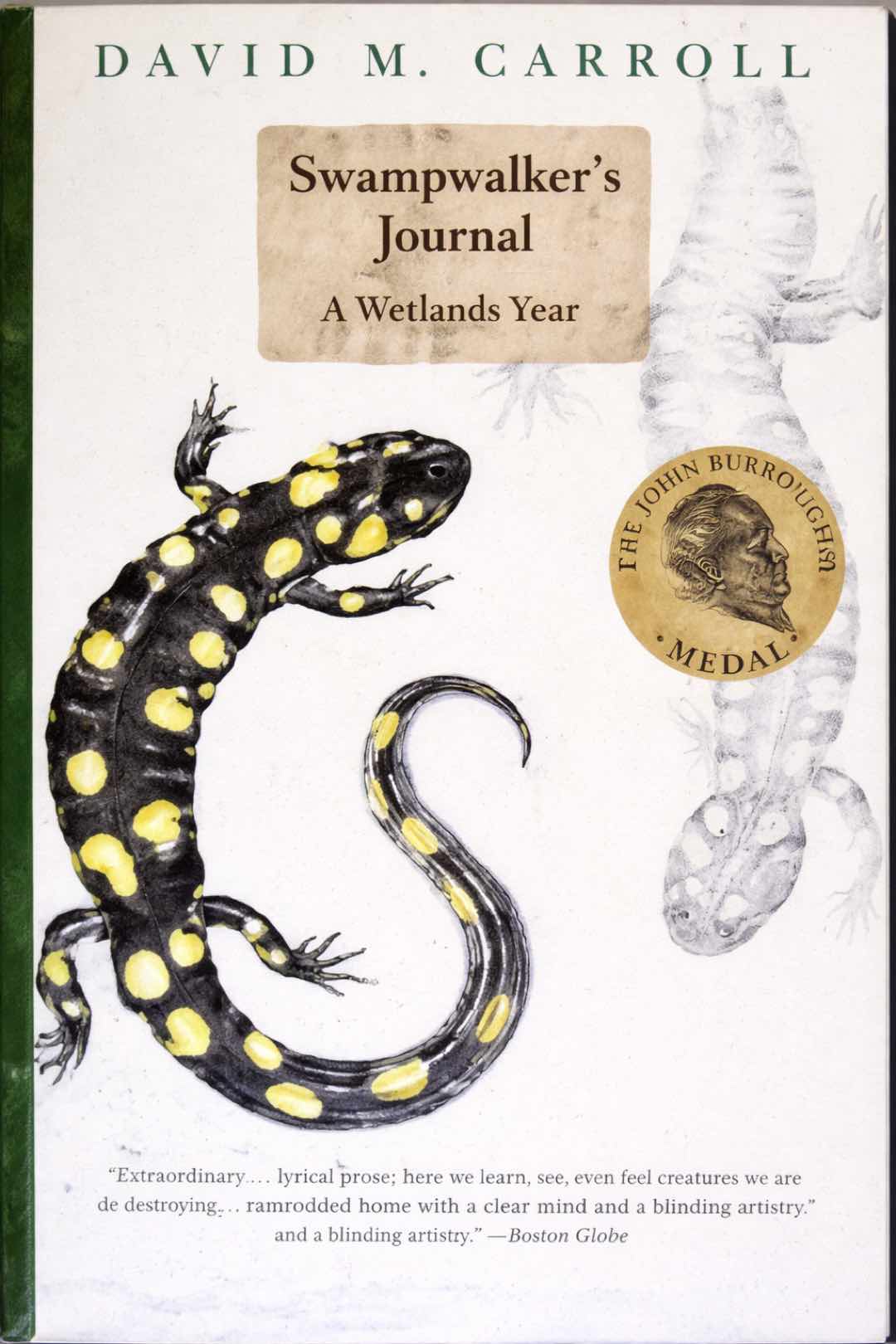
Visit David Carroll’s gallery and buy his book here. Bask in his beautiful illustrations, enjoy his journey through wetlands and learn why they are so essential to life itself.
On February 2, World Wetlands Day reminds us that wetlands matter year-round, not just when they’re buzzing with spring life.
Ivonne Higuero, Panamanian environmental economist and Secretary-General of Convention on International Trade in Endangered Species of Wild Fauna and Flora (CITES) since 2018, explains the theme this year of Wetlands and Traditional Knowledge, Celebrating Cultural Heritage here.
Vernal ponds are temporary. They fill with snowmelt and spring rain, then dry out later in the year. Because they don’t support fish or bullfrogs, they provide safe breeding habitat for amphibians whose eggs and larvae would otherwise be eaten.
In a landscape where wetlands have been lost or degraded, even small ponds can make a meaningful difference, especially when they’re built where people live, observe, and learn.
Even in the depths of winter, these ecosystems are working quietly, supporting species that have evolved astonishing ways to survive the cold.
Frogs in February
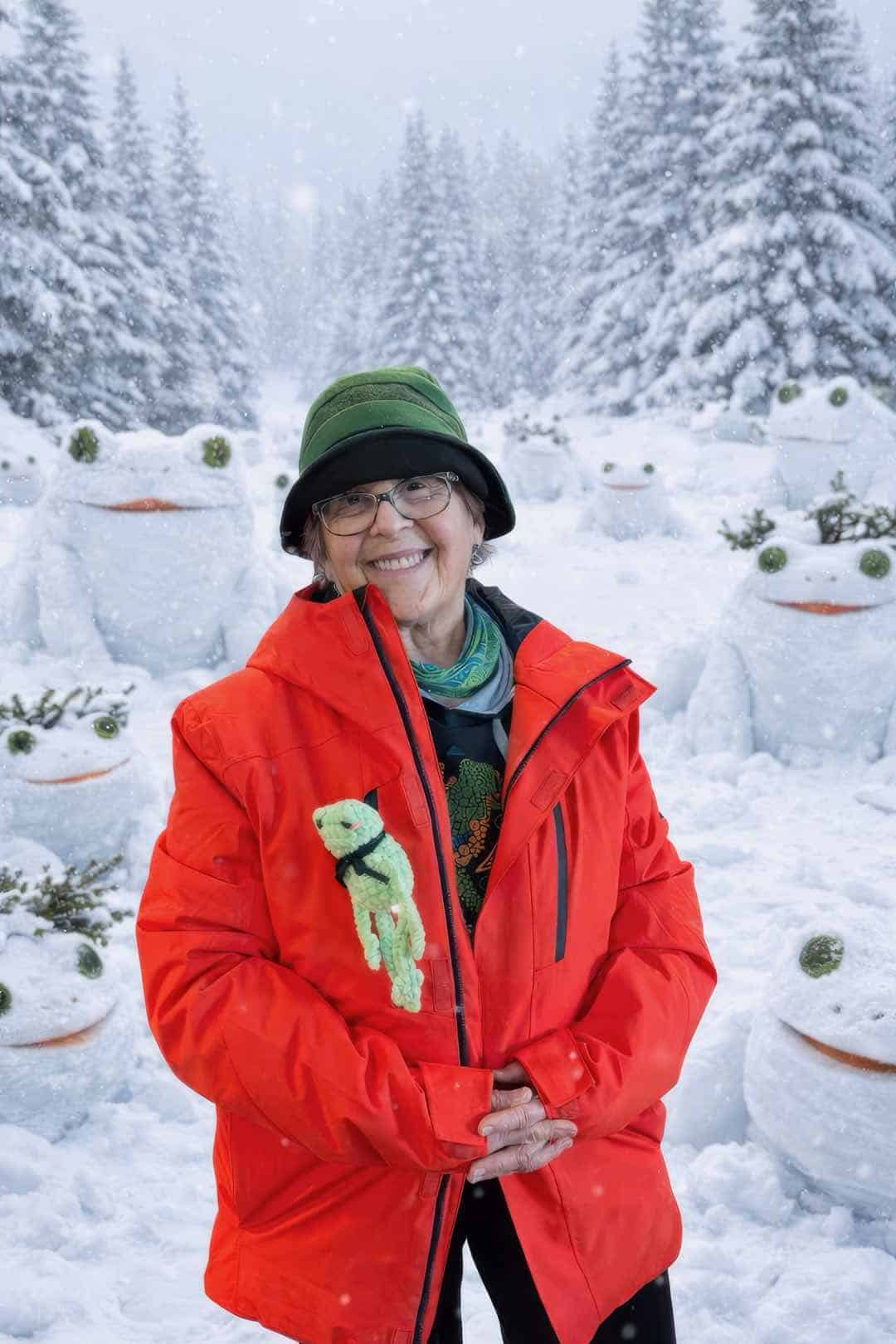
Me in a perfect fantasy land. Photo Credit and AI images by Lindsay Fass Graham. January 27, 2026
Are you staying warm this winter?
Our local frogs likely aren’t – and that’s exactly how some of them make it through.
Many people wonder where a frog goes in the cold, and even if they should put a heater in their pond. In fact, the frogs do just fine, as they have for over 200 million years.
In a form of hibernation, aquatic frogs spend the winter underwater, resting at the bottom of ponds just above the mud, sometimes slowly moving or swimming. Terrestrial frogs and toads tuck themselves into burrows, crevices, logs, or cavities, often below the frost line.
Being cold-blooded, (their body temperature is the same as that of their surroundings), some frogs, including our local wood frogs, gray tree frogs and spring peepers, actually freeze solid.
If you want to find out how, here is a good article that explains it: The Frozen Hard Truth About Frogs During the Winter.
This remarkable adaptation is one reason wetlands, especially seasonal vernal ponds, are so important. These ponds provide critical breeding habitat for frogs and salamander, which are the very places frozen frogs will seek when they thaw and move in early spring.
Busy Behind the Scenes: Our 2026 Plans.
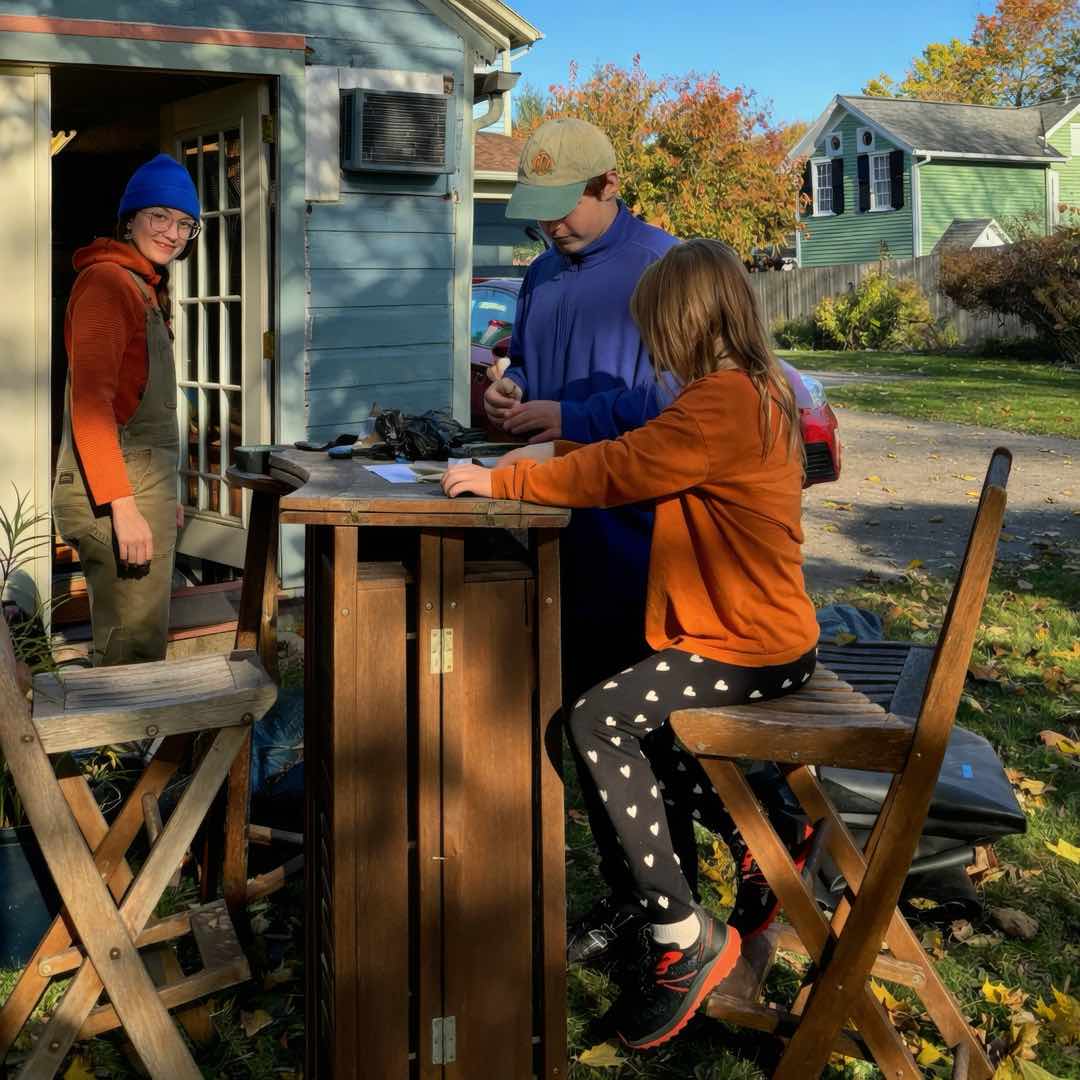
Payton Carroll, and Troop 260 scouts putting together our 8 demonstration kits. Photo Credit Lindsay Graham, November 2, 2025
With spring in mind and winter as our planning season, and while frogs brumate (the amphibian equivalent of hibernate), winter is our planning season at A Frog House, and we have exciting plans ahead.
We’re pleased to announce the launch of our signature project, Build Your Own Vernal Pond.
In partnership with one family of local Scout Troop 260, we have assembled eight Build-Your-Vernal-Pond Kits, each designed to help families create a 10-foot-diameter seasonal wetland right in their own backyard.
Thanks to generous grant support from Village & Wilderness and the Finger Lakes Connected Learning Ecosystem, participating families will receive all materials for a complete pond and monitoring at no cost.
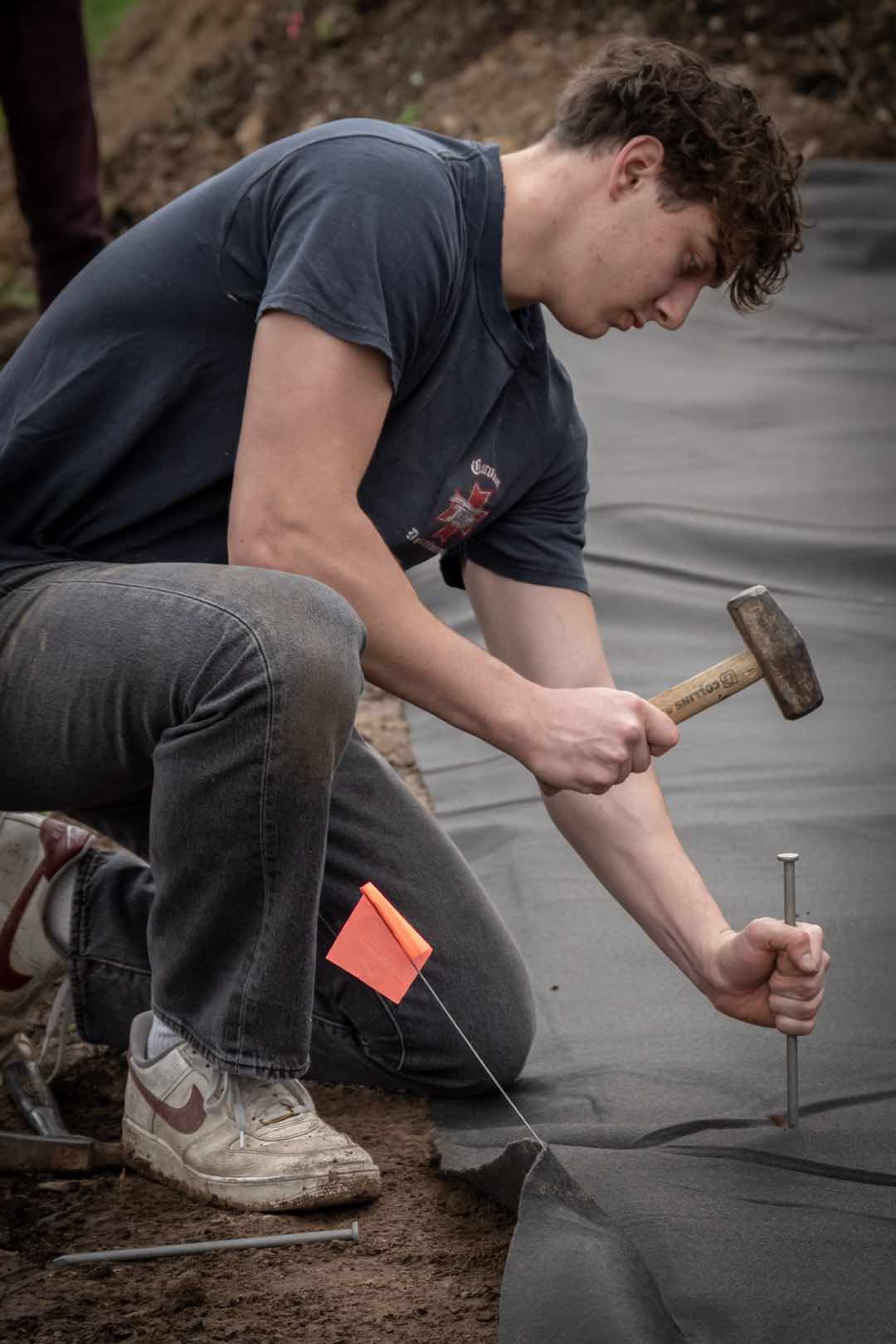
Bryson Coccia placing spikes building our Vernal Ponds in the Village Arboretum and Wildlife Sanctuary. Photo Credit, Thomas Biebighauser, Photo Credit, Dan Hucko, April 25, 2025.
We’re also partnering with a well-known member of Scout Troop 167, who chose A Frog House for his Eagle Scout Project. Bryson Coccia will lead his peers in building a new vernal pond on our property in early March.
At our annual Save The Frogs Day celebration, Mr. Coccia will demonstrate how the project works and may help supervise and train the other seven families in how and where to build and monitor their own ponds.
Over time, the eight families will record amphibian and plant activity using iNaturalist, helping track population growth over the years. The vision is simple but powerful: many small wetlands, connected by community care, can create a resilient network across our region.
Join Us, Won’t You?

Volunteers on our last day with finished Vernal Ponds in the Village Arboretum and Wildlife Sanctuary. Photo Credit, Matthew Fass, April 27, 2025.
Who might have imagined it? A Frog House holds wondrous adventures for those who are ready for them.
Moments of connection and possibility emerge in unexpected ways, and we progress through the seasons, from public habitat restoration to frozen frogs to backyard vernal ponds.
There is always meaningful work to do to care for the living systems around us. Visit our section on this site called Get Involved, and choose the way that makes the most sense to you.
